
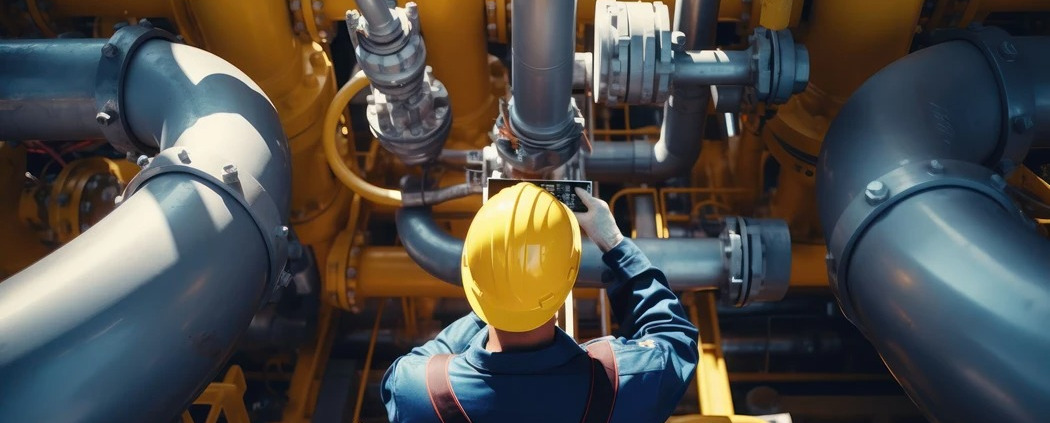
Safety and environmental compliance for fuel involves a set of regulations, standards, and practices designed to protect human health and the environment during the production, storage, transportation, and use of fuels. Below are key components and considerations for ensuring safety and compliance in the fuel industry:
Short Summary
1. Regulatory Framework
- Local, National, and International Regulations: Compliance with regulations set by organizations such as the Environmental Protection Agency (EPA) in the U.S., the European Environment Agency (EEA), and international standards (e.g., ISO 14001).
- Fuel Quality Standards: Adhering to specifications for fuel composition and emissions (e.g., sulfur content, volatility) to minimize environmental impact.
2. Hazardous Material Handling
- Material Safety Data Sheets (MSDS): Proper documentation of the properties and hazards associated with fuel products.
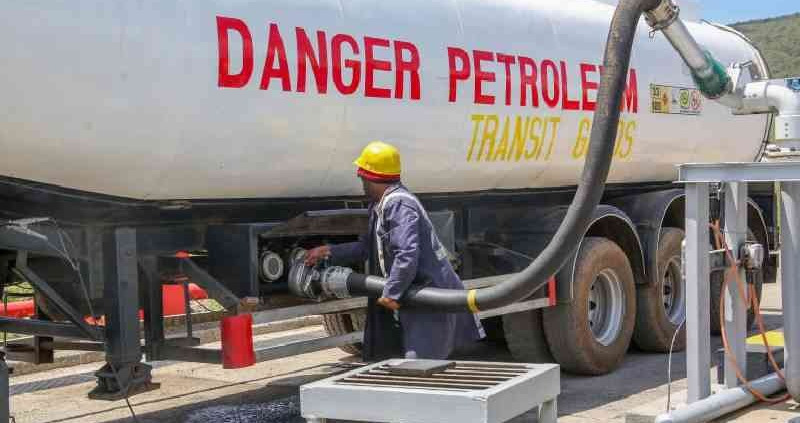
- Training: Regular training for employees on the safe handling and storage of fuels, including spill response and emergency procedures.
3. Storage and Transportation Safety
- Containment Systems: Use of double-walled tanks and secondary containment systems to prevent leaks and spills.
- Leak Detection: Implementing systems to monitor for leaks in storage tanks and pipelines.
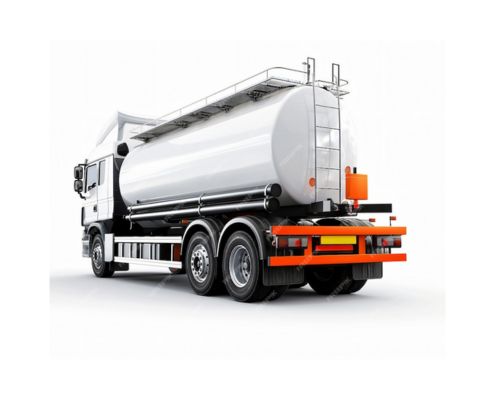
- Transportation Regulations: Compliance with regulations governing the transport of hazardous materials (e.g., DOT regulations in the U.S.).
More Info
Even More Info